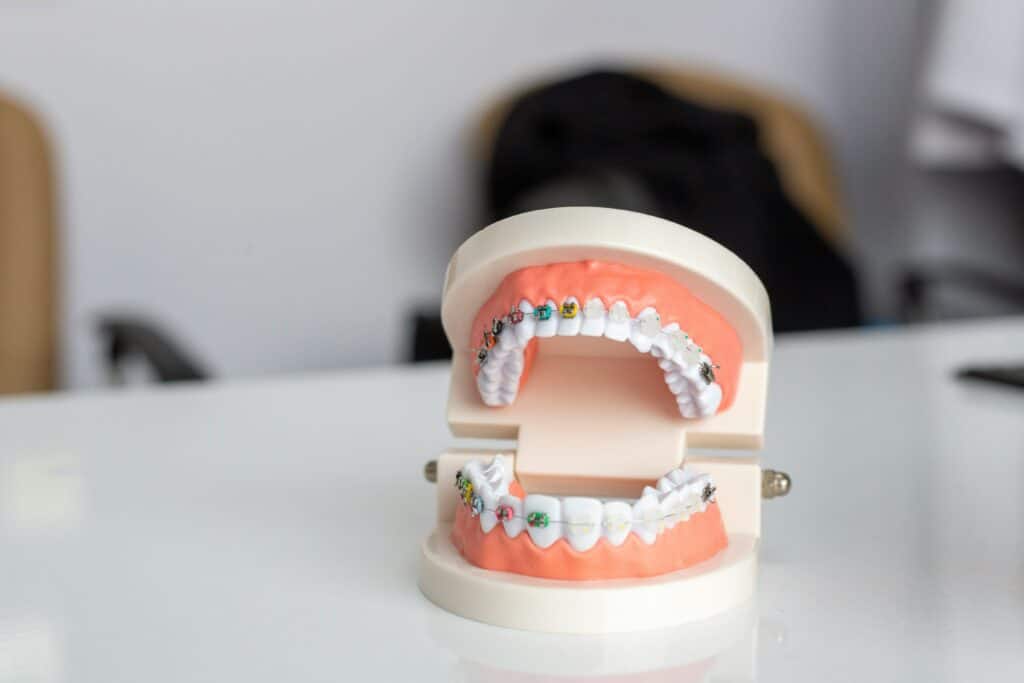
Navigating the world of orthodontics can be both exciting and challenging. If you’ve recently got your braces on, you might experience discomfort after braces that can leave you wondering how to cope. Understanding what this discomfort entails, its causes, and the best ways to manage it is essential for maintaining a positive attitude throughout your orthodontic journey. In here, you’ll discover practical tips and tricks to alleviate the discomfort and make your experience more enjoyable.
What you need to know about discomfort after braces
When you first get braces, it's common to feel some discomfort in your mouth. Discomfort after braces can manifest as soreness, tenderness, or a generalized feeling of pressure. Many describe the sensations as mild to moderate aches that can be especially pronounced in the days following brace adjustments.
Typically, this discomfort lasts a few days after an adjustment or when the braces are first placed. Each individual reacts differently, but for most, the discomfort eases significantly within a week as the mouth becomes accustomed to the new hardware.
Causes of discomfort
Mechanical adjustments of braces
Braces work by using constant pressure to gradually shift your teeth into their desired positions. Each adjustment involves tightening or repositioning the wires, which can lead to temporary soreness. This mechanical action is what causes that feeling of discomfort.
Oral hygiene changes
With the addition of braces, maintaining oral hygiene can be more difficult. You might change your brushing and flossing technique, which can lead to further irritation in your mouth. If you're experiencing discomfort after braces, some of that soreness might stem from minor abrasions or irritations caused by the brackets and wires.
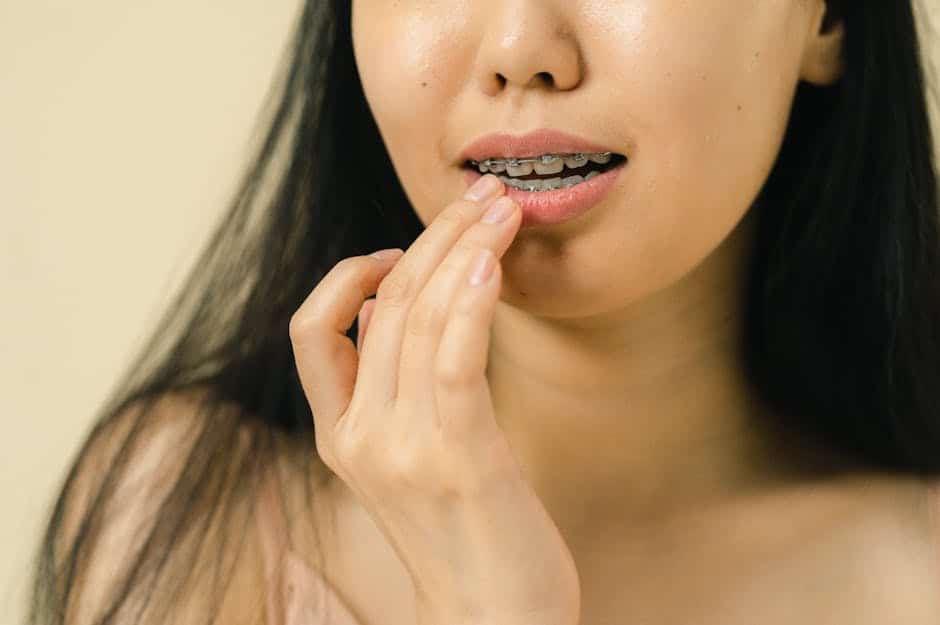
A closer look at discomfort after braces
Importance of managing discomfort
Impact on treatment adherence
When the discomfort becomes overwhelming, it may lead you to neglect your orthodontic care routine or even abandon your treatment altogether. By effectively managing discomfort, you ensure that you remain compliant with your orthodontic appointments and care guidelines, helping to expedite your treatment and ensure the best results.
Emotional well-being during orthodontic treatment
The emotional aspects of undergoing orthodontic treatment shouldn’t be overlooked. Pain or discomfort can affect your mood and overall emotional well-being. By implementing strategies to manage discomfort after braces, you can maintain a more positive outlook during this transformative period.
Common reactions to discomfort
Physical responses
Alongside the soreness in your mouth, you may experience headache or general body fatigue as your body reacts to the changes. This is a typical response to the stress and pressure of treatment.
Psychological impacts
Discomfort can also lead to feelings of frustration or anxiety. You may worry about how long the discomfort will last or whether your braces are fitting correctly. Recognizing these mental ramifications is an important step in finding ways to cope.
Tips for managing discomfort after braces
When discomfort strikes, there are practical approaches you can take to alleviate the sensation.
Pain relief methods
Over-the-counter pain relievers
If you’re experiencing significant discomfort, over-the-counter pain relievers such as ibuprofen or acetaminophen can provide quick relief. Always consult your orthodontist before taking medications to ensure they are suitable for your particular situation.
Cold compress applications
Applying a cold compress to the outside of your mouth can help reduce swelling and numb the area, providing temporary relief from the discomfort. Just be sure not to apply ice directly to your skin to prevent frostbite.
Dietary adjustments
What you eat can greatly impact how you feel during the discomfort phase.
Soft foods to eat
Transitioning to a diet of soft foods can minimize pain while chewing. Foods such as mashed potatoes, yogurt, smoothies, and soups can be easy on tender teeth and gums.
Foods to avoid
Avoid hard, crunchy, or sticky foods that can irritate your mouth or dislodge the brackets. Foods like popcorn, nuts, and gummy candies may exacerbate your discomfort after braces, so it’s best to steer clear of them during the initial adjustment period.
Oral hygiene tips
Maintaining good oral hygiene is crucial, especially during this time of discomfort after braces.
Gentle brushing techniques
You should brush gently around the brackets and wires, using a soft-bristled toothbrush. This will help minimize irritation while still keeping your teeth and gums clean.
Recommended rinses and treatments
Using a saltwater rinse can soothe irritated gums and reduce inflammation. Mix a teaspoon of salt in a glass of warm water and use it as a mouth rinse a few times a day to help alleviate discomfort.
Tricks to alleviate discomfort
Incorporating some simple tricks can make a significant difference in how you feel.
Use of orthodontic wax
How to apply orthodontic wax
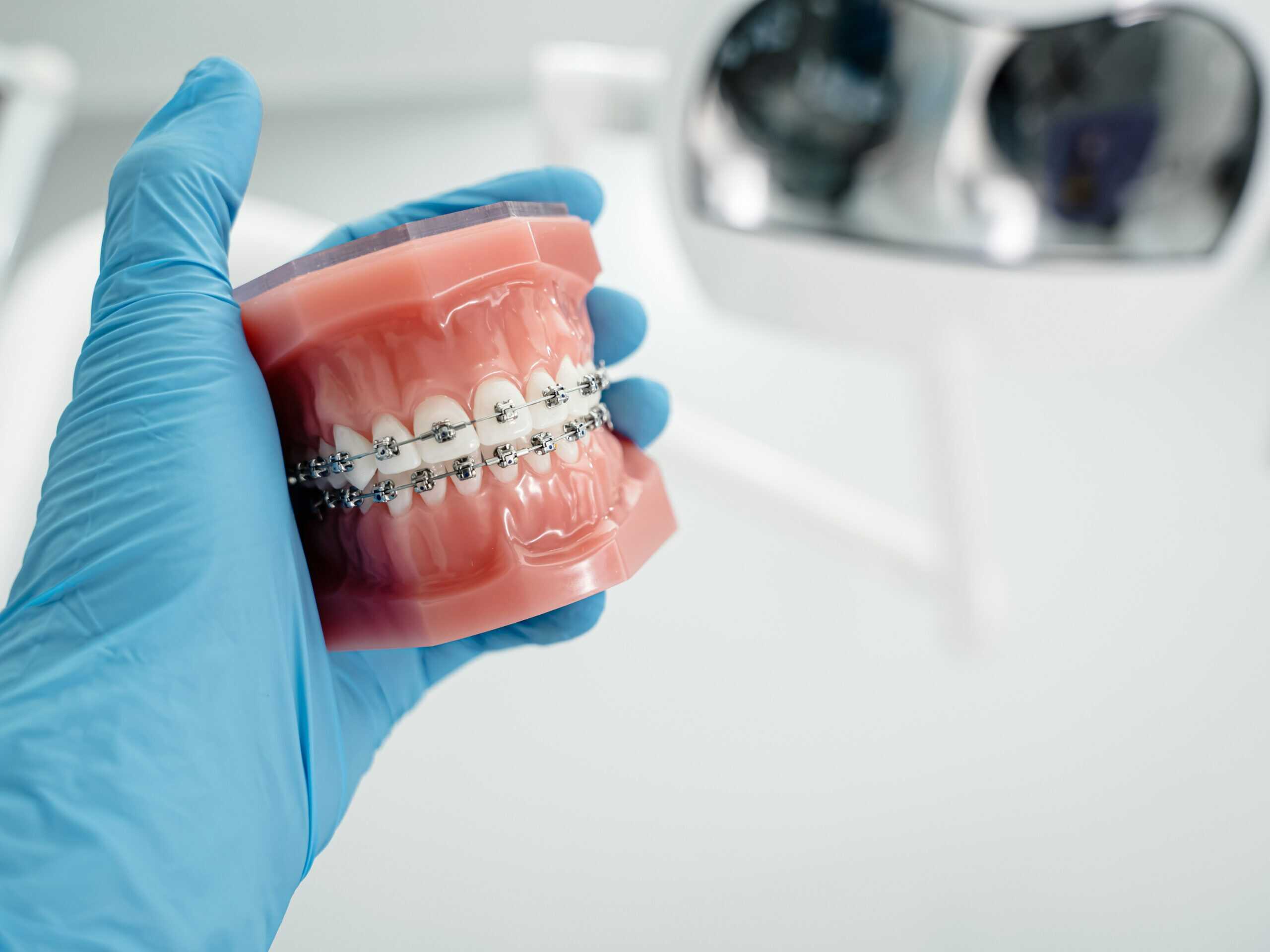
Orthodontic wax can create a protective barrier to help ease discomfort after braces. Simply take a small piece of wax, roll it into a ball, and place it over the areas where your braces are causing irritation.
When to use It
Use orthodontic wax whenever you notice areas of discomfort, particularly during the first few days after getting your braces or after an adjustment when irritation is likely to be higher.
Distraction techniques
Engaging in relaxing activities
Finding activities that distract you from the discomfort after braces can improve your overall experience. Reading, watching a movie, or spending time with friends can help take your mind off the soreness.
Breathing exercises for tension relief
Practicing mindfulness through deep breathing exercises can also alleviate stress and tension related to discomfort. Focus on taking slow, deep breaths to help calm both your body and mind.
When to seek professional help
While discomfort after braces is common, there are times when it may signal a need for professional intervention.
Signs that may require orthodontist consultation
If you're experiencing excessive pain beyond typical discomfort, you should reach out to your orthodontist.
Excessive pain beyond typical discomfort
If the pain persists and is not alleviated by over-the-counter medications or home remedies, it may be a sign of misalignment or another issue needing professional attention.
Signs of infection or other issues
Redness, swelling, or discharge from your gums could indicate an infection. If you notice these symptoms, it's crucial to contact your orthodontist immediately.
Questions to ask your orthodontist
When seeking help, prepare a list of questions to make the most of your consultation.
Inquiries about pain management options
Ask your orthodontist about alternative pain management options they recommend, including dental products specifically designed for orthodontic patients.
Understanding the progression of treatment
Inquire about the expected duration of discomfort after braces and what steps can be taken to minimize it, ensuring you are well-informed as you navigate your treatment.
Your path to a healthier, more confident smile
Dealing with discomfort after braces is a common part of the orthodontic journey. By understanding why it happens, recognizing its causes, and applying simple management strategies, you can significantly reduce its impact on your daily routine. Choosing soft foods, maintaining excellent oral hygiene, and using practical solutions like orthodontic wax can make the adjustment period much easier.
Most importantly, having the right orthodontic team makes all the difference. If you are considering dental braces in Tijuana, Dental 6&e stands out as a trusted and professional option, offering personalized care, modern technology, and experienced specialists who guide you through every stage of treatment.
Orthodontic discomfort is temporary, but the results are long-lasting. Stay committed to your treatment, maintain open communication with your orthodontist, and trust the process. With the right support and care, you won’t just manage this phase, you’ll move confidently toward the healthy, radiant smile you’ve been working for.