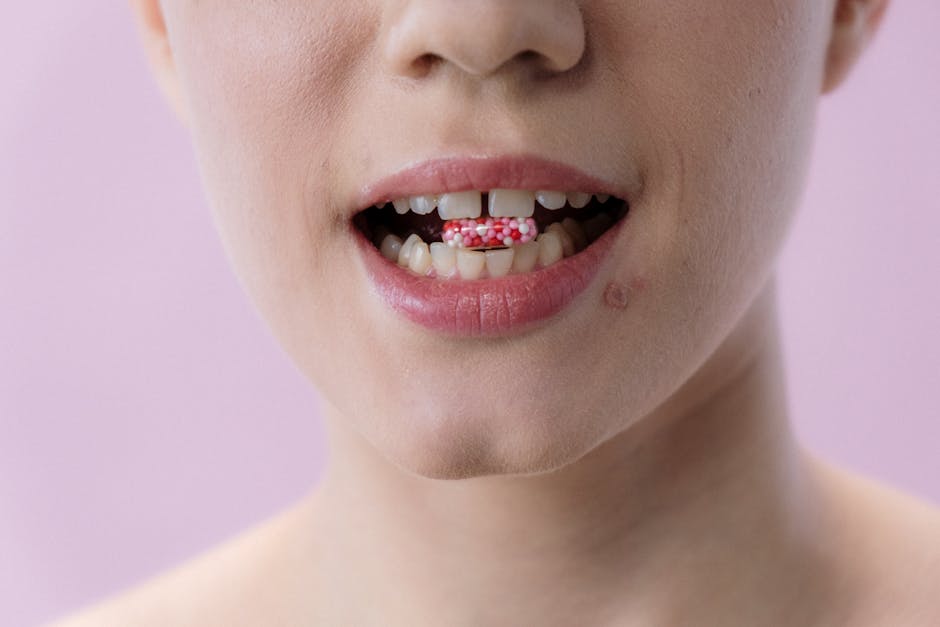
A gap between teeth, also known as a diastema, is a common dental concern that can affect both the appearance of your smile and your oral health.
For some people, a gap between teeth is a distinctive feature they embrace. For others, it can become a source of insecurity, especially if it becomes more noticeable over time or starts to affect everyday functions like eating or speaking.
No matter the size of the space, a gap can be a sign that something in your alignment, bite, or oral health needs attention. Understanding the causes and professional treatment options is the first step toward finding a solution that actually lasts.
What causes a gap between teeth?
A gap doesn’t happen for just one reason. In most cases, it develops due to a combination of structural, genetic, and lifestyle factors.
Genetics and jaw size
One of the most common causes of a gap is the natural relationship between your jaw and your teeth. If your jaw is larger and your teeth are smaller, extra space can form between them. This is why a gap often runs in families.
Tooth alignment issues
When teeth don’t grow or erupt in the correct position, spacing can develop. This type of gap is usually linked to alignment problems and may become more noticeable over time.
Childhood habits
Habits like thumb sucking, tongue thrusting, or prolonged pacifier use can gradually push teeth out of place. Over time, this pressure can create or worsen a gap between teeth.
Gum disease and tooth loss
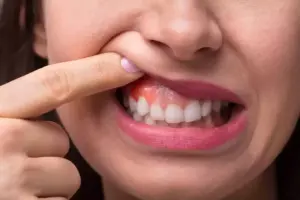
Oral health also plays a major role. Gum disease can weaken the structures that support your teeth, causing them to shift and create spaces. Losing a tooth due to injury or decay can also lead to movement in surrounding teeth, resulting in a new gap.

Why a gap between teeth should not be ignored
A space between teeth is often seen as a cosmetic concern, but its impact goes beyond appearance.
Higher risk of plaque and cavities
Spaces between teeth tend to trap food more easily. These areas can be harder to clean with regular brushing and flossing, increasing the risk of plaque buildup, tooth decay, and gum inflammation.
Bite and jaw changes
When teeth are not properly aligned, the pressure from chewing is not evenly distributed. Over time, this can lead to discomfort, bite imbalance, and even jaw tension.
Speech and daily function
Depending on its location, a space between teeth can affect how you pronounce certain sounds. This may seem minor, but it can influence confidence in both personal and professional settings.
Confidence and appearance
For many patients, the biggest concern is how their smile looks. Closing a space between teeth often leads to a noticeable boost in confidence and comfort when speaking, smiling, or taking photos.
Professional ways to close a gap between teeth
The best way to fix a space between teeth depends on its cause, size, and your overall oral health. A professional evaluation is essential to choose the right approach.
Orthodontic treatment (braces)
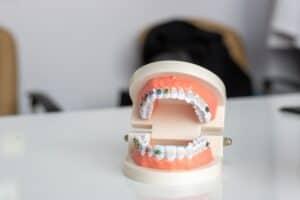
Braces are one of the most effective ways to close a space between teeth. They work by gradually moving teeth into the correct position, addressing both the space and the underlying alignment issue.
Because they correct the root cause, braces are often the most reliable long-term solution.
Clear aligners
Clear aligners are a more discreet option that can help close a gap in certain cases. They use a series of custom trays to shift teeth gradually.
However, they may not be ideal for more complex gaps or bite problems.
Dental bonding
For small gaps, bonding can provide a faster cosmetic solution. A tooth-colored resin is applied to fill the space and improve appearance.
While effective in the short term, bonding does not correct alignment, so the gap may return over time.
Veneers
Veneers are thin shells placed over the front of the teeth to create a more uniform look. They can hide a gap between teeth quickly, but they do not address the underlying issue and require permanent changes to your natural teeth.

Choosing the right treatment for lasting results
When deciding how to fix a gap, it’s important to think beyond quick cosmetic improvements.
Treatments that focus on alignment, like braces, tend to provide more stable and predictable results. Instead of simply covering the gap, they correct the position of the teeth and improve how your bite functions.
This not only enhances your smile but also helps prevent future dental issues.
Every case is different. The size of the gap between teeth, your gum health, and your long-term goals all play a role in determining the best treatment.
How to maintain results after closing a gap between teeth
Once a gap has been corrected, maintaining the results is just as important as the treatment itself.
Use of retainers
After orthodontic treatment, retainers help keep teeth in their new position and prevent shifting.
Consistent oral hygiene
Brushing, flossing, and regular dental visits are essential to protect your teeth and gums and avoid future spacing issues.
Avoid harmful habits
Habits like nail biting or using your teeth to open objects can put pressure on your teeth and affect alignment over time.
Fix your gap between teeth with a personalized treatment plan
If you’re thinking about fixing a gap, the most important step is getting a professional evaluation to understand the cause and the best treatment for your case.
At Dental 6&E, we focus on solutions that go beyond aesthetics. Many cases of gap between teeth are best treated with orthodontic care that improves both alignment and long-term oral health.
If you're considering dental braces in Tijuana, our team can help you find the right approach for your smile. We design personalized treatment plans to close gaps safely, effectively, and with results that last.
Schedule your consultation today and take the first step toward a more balanced, confident smile.