One of the first questions people ask before starting orthodontic treatment is how long do braces take. Understanding how long do braces take can help you prepare for every stage of treatment and set realistic expectations.
The answer isn't the same for everyone. While many patients complete treatment in about two years, many factors influence how long do braces take, including the complexity of your case, the type of braces you choose, and how closely you follow your orthodontist's recommendations.
The good news is that every month of treatment brings you closer to a healthier bite, improved oral function, and a more confident smile. Knowing what affects treatment time allows you to take an active role in achieving the best possible results.
Why orthodontic treatment is worth the time
Braces do much more than straighten crooked teeth. Properly aligned teeth are easier to clean, reducing the risk of cavities and gum disease while also improving your bite. Correcting alignment problems can even relieve excessive wear on teeth, jaw discomfort, and speech difficulties caused by certain orthodontic issues.
Because every smile is unique, how long do braces take depends on your individual treatment plan. Rather than focusing only on the finish line, it's important to recognize that orthodontic treatment is an investment in your long-term oral health.
What determines how long braces take?
There isn't a universal timeline for orthodontic treatment. Your orthodontist evaluates multiple factors before estimating how long do braces take in your specific case.
Severity of the orthodontic problem
The biggest factor affecting treatment time is the complexity of your dental alignment.
Minor spacing issues or slight crowding may require as little as 6 to 12 months of treatment. Moderate cases often take between 18 and 24 months, while severe crowding, bite problems, impacted teeth, or significant jaw discrepancies may require two to three years or longer.
The more tooth movement required, the longer how long do braces take becomes for your individual treatment.
Your age
Age also influences tooth movement.
Children and teenagers generally experience faster orthodontic treatment because their jaws are still developing, allowing teeth to move more efficiently. Adults can achieve equally excellent results, but treatment may take slightly longer since bone tissue is denser and fully developed.
Even so, millions of adults successfully complete orthodontic treatment every year, proving that it's never too late to improve your smile.
The type of braces you choose
Different orthodontic systems can influence comfort, appearance, and in some situations, treatment duration.
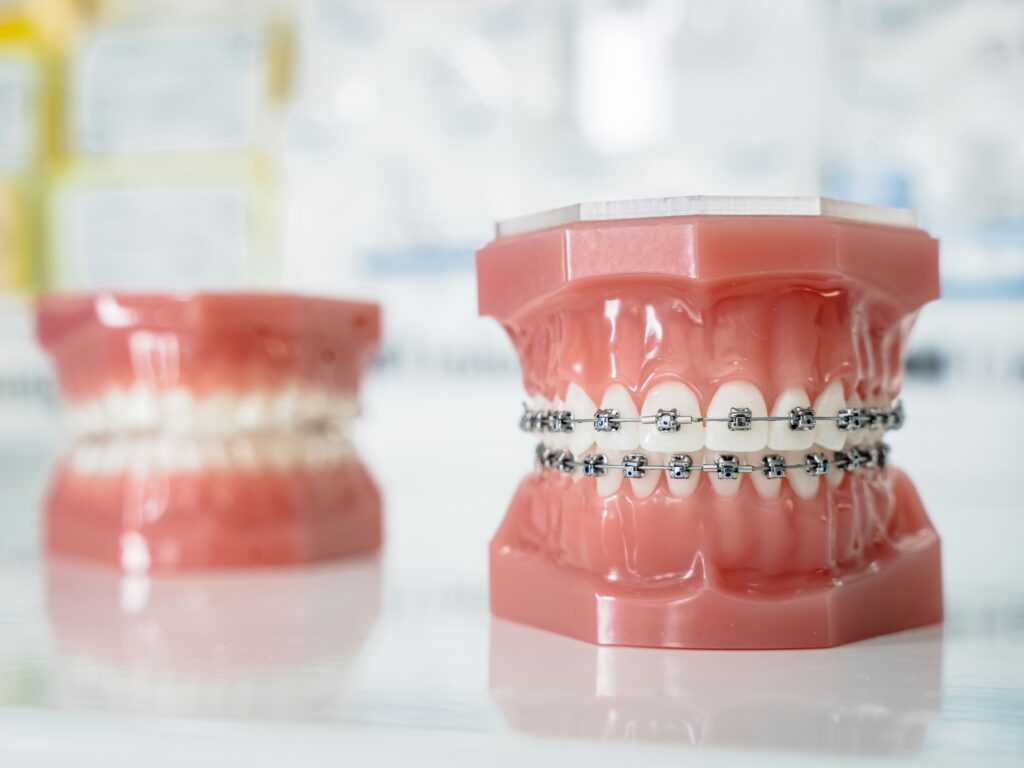
Traditional metal braces
Metal braces remain the gold standard for treating simple and complex orthodontic cases. They're extremely durable and allow orthodontists to make precise adjustments throughout treatment.
For most patients, traditional braces require approximately 18 to 24 months, although more complex cases can take longer.
Ceramic braces
Ceramic braces function similarly to traditional braces but use tooth-colored brackets that blend with your smile.
Because ceramic brackets require more careful adjustments and can be slightly more delicate, treatment may occasionally extend a little longer compared to metal braces, depending on the case.
Lingual braces
Lingual braces are attached behind the teeth, making them virtually invisible.
Although highly aesthetic, they can require more detailed adjustments, which sometimes increases the overall treatment timeline.
Clear aligners
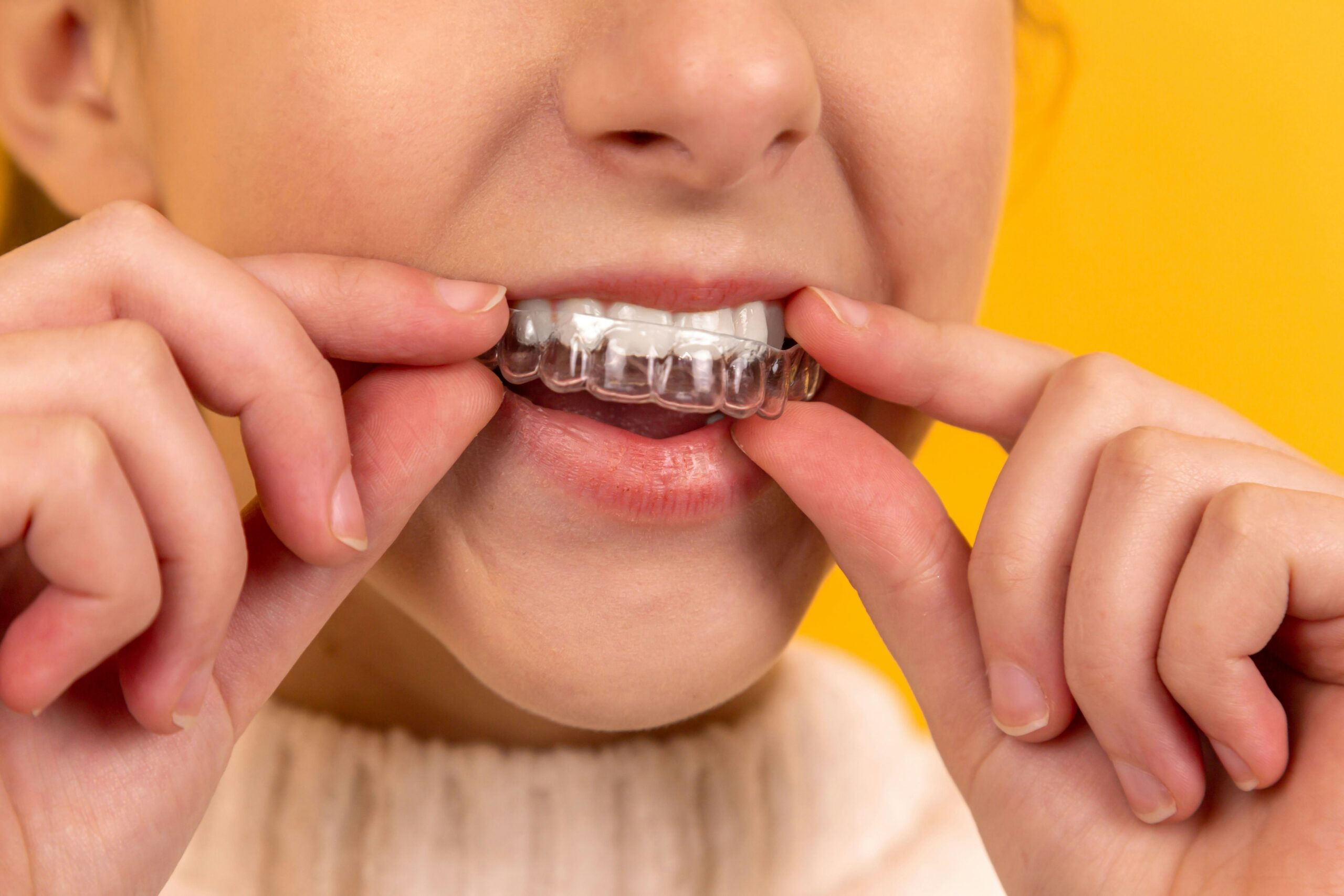
Clear aligners such as Invisalign® have become increasingly popular because they're removable and discreet.
For mild orthodontic concerns, clear aligners may provide faster treatment than braces. However, complex bite corrections may still require treatment times similar to traditional braces. Success also depends heavily on patient compliance, since aligners must typically be worn 20 to 22 hours each day.
Average timeline: How long do braces take?
Although every patient is different, most orthodontic treatments fall into these general ranges:
- Minor corrections: 6–12 months
- Moderate alignment problems: 12–24 months
- Complex orthodontic cases: 24–36 months
For most patients, the answer to how long do braces take falls somewhere between 18 and 24 months.
During your consultation, digital X-rays, photographs, and a comprehensive examination allow your orthodontist to provide a personalized estimate based on your specific needs.
Since every smile is different, how long do braces take will ultimately depend on your personalized treatment plan and how your teeth respond throughout the process.
Factors that can make treatment take longer
Even with a carefully designed treatment plan, certain situations can extend your orthodontic timeline.
Missed adjustment appointments
Regular adjustment visits allow your orthodontist to monitor progress and make necessary changes to keep teeth moving efficiently.
Skipping appointments or delaying visits can slow treatment significantly and increase how long do braces take before achieving your desired results.
Poor oral hygiene
Healthy gums are essential for safe tooth movement.
Plaque buildup, cavities, or gum disease may require treatment before orthodontic adjustments can continue, temporarily extending your overall timeline.
Broken brackets or wires
Damaged braces interrupt the continuous pressure needed to move teeth.
Chewing hard foods, biting ice, or neglecting broken appliances can delay progress, making treatment take longer than originally planned.
Not following instructions
Patients who wear rubber bands inconsistently or fail to use other prescribed orthodontic appliances often experience slower progress.
Following every recommendation from your orthodontist is one of the easiest ways to avoid unnecessary delays.
Can you make braces work faster?
While there is no safe shortcut to dramatically reduce orthodontic treatment time, there are several habits that can help your teeth move according to schedule. If you've been wondering how long do braces take, following your orthodontist's instructions consistently can make a significant difference.
Although there is no guaranteed way to shorten treatment, understanding how long do braces take and following your orthodontist's recommendations can help you stay on schedule.
Here are some simple ways to stay on track:
Attend every scheduled appointment
Orthodontic adjustments are carefully timed to keep your teeth moving efficiently. Missing appointments can delay progress and increase the overall treatment timeline.
Wear elastics as directed
If your treatment includes rubber bands or other appliances, wearing them exactly as prescribed is essential. Inconsistent use can slow tooth movement and extend how long do braces take before treatment is complete.
Maintain excellent oral hygiene
Healthy teeth and gums respond better to orthodontic treatment. Brushing after every meal, flossing daily, and attending regular dental cleanings help prevent complications that could interrupt your progress.
Avoid foods that can damage braces
Hard, sticky, and chewy foods can break brackets or bend wires, requiring repairs that may delay treatment. Choosing braces-friendly foods helps keep your treatment moving forward without unnecessary setbacks.
Common myths about braces treatment time
Many misconceptions surround orthodontic treatment. Understanding the facts can help you feel more confident throughout the process.
"Everyone wears braces for two years"
While two years is a common average, every patient is different. Some people finish treatment in less than a year, while others require closer to three years depending on the complexity of their case.
"Adults always take longer"
Adults may experience slightly slower tooth movement than teenagers, but modern orthodontic techniques have made treatment highly effective for patients of all ages. Many adults complete treatment within timelines similar to younger patients.
"More frequent adjustments mean faster results"
Your teeth need time to respond to controlled pressure. Adjustments that are too frequent don't necessarily speed up treatment and may even increase discomfort. Your orthodontist follows a carefully planned schedule designed for safe, predictable tooth movement.
What happens after your braces come off?
Completing treatment doesn't mean your orthodontic journey is over.
Once your braces are removed, your orthodontist will provide retainers to help maintain your new smile. Teeth naturally tend to shift over time, especially during the first several months after treatment. Wearing your retainers exactly as instructed protects the investment you've made and helps ensure your results last for years.
Retainers are a simple but essential step in preserving your beautifully aligned smile.
What to expect from your braces journey
Understanding how long do braces take helps you begin orthodontic treatment with realistic expectations and confidence. Although the average treatment lasts between 18 and 24 months, your personal timeline depends on factors such as the severity of your alignment issues, your age, the type of braces you choose, and your commitment to following your orthodontic treatment plan.
The most important thing to remember is that successful orthodontic care isn't about finishing as quickly as possible, it's about achieving healthy, lasting results. Working closely with an experienced orthodontist ensures your teeth move safely and efficiently while creating a smile that will benefit you for years to come.
Looking for an experienced orthodontist in Tijuana?
If you're wondering how long do braces take, the best way to get an accurate answer is through a personalized orthodontic evaluation. At Dental 6 & E, our experienced team creates customized treatment plans designed around your unique smile, so you'll understand how long do braces take based on your specific orthodontic needs
Whether you're considering traditional braces or exploring other orthodontic options, our orthodontist in Tijuana will guide you through every step of the process with personalized care and clear communication. Schedule your consultation with Dental 6 & E today and take the first step toward the healthy, confident smile you've always wanted.
Frequently Asked Questions
Can braces work in less than a year?
Yes. Minor spacing or alignment issues can sometimes be corrected in as little as six to twelve months. Your orthodontist can determine whether your case qualifies for a shorter treatment plan.
Does everyone experience discomfort?
Most patients experience mild soreness after braces are placed or adjusted, but this usually lasts only a few days. Over-the-counter pain relief and soft foods can help during this adjustment period.
Are clear aligners faster than braces?
Sometimes. Clear aligners may complete treatment more quickly for mild orthodontic cases, while traditional braces often provide better control for complex bite corrections.
Can treatment finish earlier than expected?
If your teeth respond well and you consistently follow your orthodontist's instructions, treatment may finish close to or even slightly ahead of the original estimate. However, every case is unique.