
Many people think bite problems are only cosmetic concerns, but the way your teeth fit together plays a major role in your overall oral health. When your bite is not properly aligned, everyday activities such as chewing, speaking, and even cleaning your teeth can become more difficult. Over time, these issues may contribute to tooth wear, gum problems, jaw discomfort, and other complications.
Understanding how bite problems develop and the impact they can have on your oral health can help you recognize when it may be time to seek professional treatment.
What are bite problems and why do they occur
A bite problem, also known as malocclusion, occurs when the upper and lower teeth do not align properly when the mouth is closed. While some cases are mild, others can interfere with normal oral function and affect long-term dental health.
Many factors can contribute to bite problems, including genetics, childhood habits, injuries, and certain oral health conditions. In many cases, a combination of factors influences how the teeth and jaws develop over time.
Common types of bite misalignment
- Overbite – The upper front teeth excessively overlap the lower teeth.
- Underbite – The lower teeth extend beyond the upper teeth.
- Crossbite – Some upper teeth sit behind the lower teeth when biting down.
- Open Bite – The upper and lower teeth do not fully meet when the mouth is closed.
Each type of misalignment can create unique challenges and may require a customized treatment approach.
Signs that your bite may not be properly aligned
Many people live with malocclusion for years without realizing that their symptoms are connected to tooth alignment. While some signs are obvious, others may develop gradually.
Common symptoms include:
- Difficulty chewing certain foods
- Jaw soreness or fatigue
- Frequent headaches
- Clicking or popping sounds in the jaw
- Uneven tooth wear
- Chipped or cracked teeth
- Teeth grinding
- Speech difficulties
- Increased tooth sensitivity
If you regularly experience any of these symptoms, a professional evaluation can help determine whether your bite may be contributing to the problem.
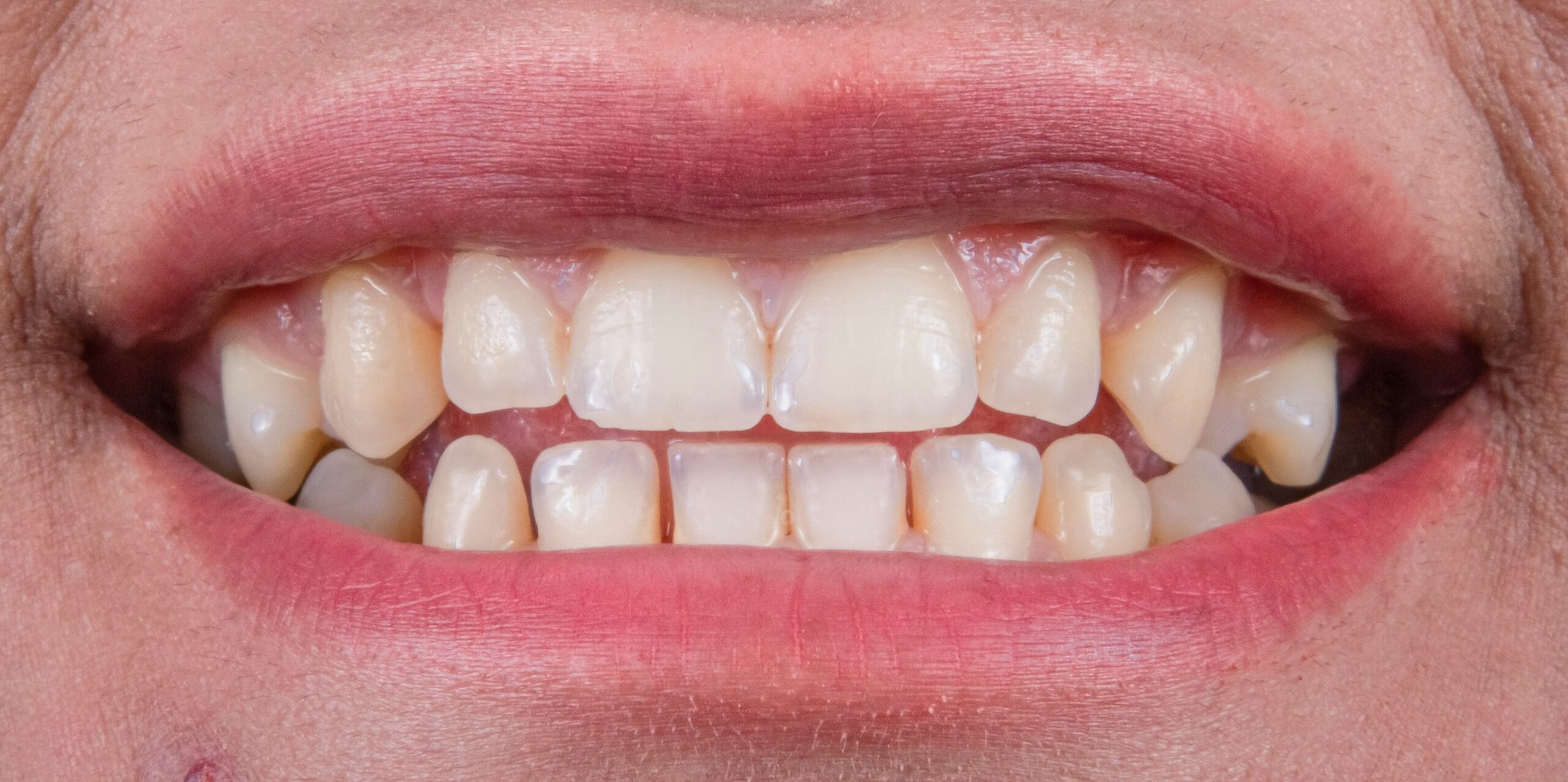
The hidden eeffects of bite problems on oral health
A misaligned bite affects much more than the appearance of your smile. The forces generated during chewing should be distributed evenly throughout the mouth. When teeth are not aligned properly, excessive pressure is placed on certain areas, which can lead to long-term complications.
Uneven tooth wear and dental damage
One of the most common consequences of malocclusion is accelerated tooth wear. When certain teeth absorb more pressure than others, they may gradually become worn down, chipped, or fractured.
As this damage progresses, restorative procedures such as crowns, bonding, or veneers may become necessary to repair affected teeth.
Increased risk of gum disease and cavities
Properly aligned teeth are generally easier to clean. When teeth overlap or crowd together, food particles and plaque can accumulate in hard-to-reach areas.
This buildup may increase the likelihood of:
- Cavities
- Gum inflammation
- Periodontal disease
- Persistent bad breath
Maintaining good oral hygiene becomes more challenging when bite problems create spaces that are difficult to access with brushing and flossing.
Jaw discomfort and chronic headaches
An unbalanced bite can place excessive strain on the jaw joints and surrounding muscles. Over time, this additional stress may contribute to:
- Jaw pain
- Facial tension
- Neck discomfort
- Frequent headaches
- Temporomandibular joint (TMJ) issues
Many patients are surprised to learn that symptoms they associate with muscle tension or stress may actually be related to bite alignment.
How bite problems can affect confidence and daily life
The impact of malocclusion often extends beyond physical health. Many people become self-conscious about the appearance of their smile, especially when misalignment is noticeable.
Changes in speech and communication
Certain bite problems can affect how sounds are formed during speech. Open bites and other forms of misalignment may make pronunciation more difficult, particularly for specific consonants.
This can create frustration in professional, academic, or social situations.
The emotional impact of an unbalanced smile
A smile is one of the first things people notice. When individuals feel uncomfortable about their teeth, they may avoid smiling, speaking in public, or participating confidently in social interactions.
Improving bite alignment can often enhance both oral function and self-confidence.
How dentists diagnose bite problems
Early diagnosis is important because untreated bite problems often become more difficult to correct over time.
What happens during a bite evaluation
A comprehensive examination may include:
- Visual assessment of tooth alignment
- Evaluation of jaw movement
- Bite analysis
- Digital imaging
- Dental X-rays
These tools help determine the severity of the misalignment and identify any related oral health concerns.
When it is time to schedule an examination
You should consider scheduling an evaluation if you experience:
- Persistent jaw discomfort
- Frequent headaches
- Noticeable tooth wear
- Difficulty chewing
- Changes in speech
- Crowded or misaligned teeth
Early intervention can often prevent more extensive treatment later.
Treatment options for correcting bite problems
Fortunately, modern orthodontics offers effective solutions for correcting a wide range of bite issues.
Dental braces and orthodontic treatment
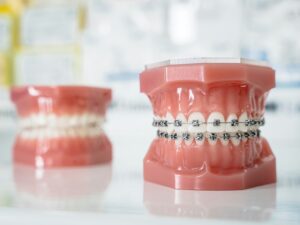
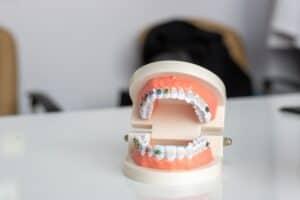
Traditional braces remain one of the most reliable methods for correcting complex bite problems. By gradually repositioning teeth, braces can improve both appearance and function.
Orthodontic treatment can help address:
- Crowding
- Spacing issues
- Overbites
- Underbites
- Crossbites
- Open bites
The treatment plan will vary based on the severity of the condition and the patient's individual goals.
Clear aligners for bite correction
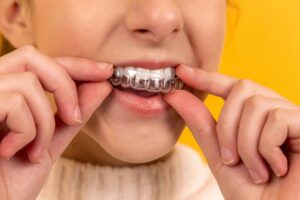
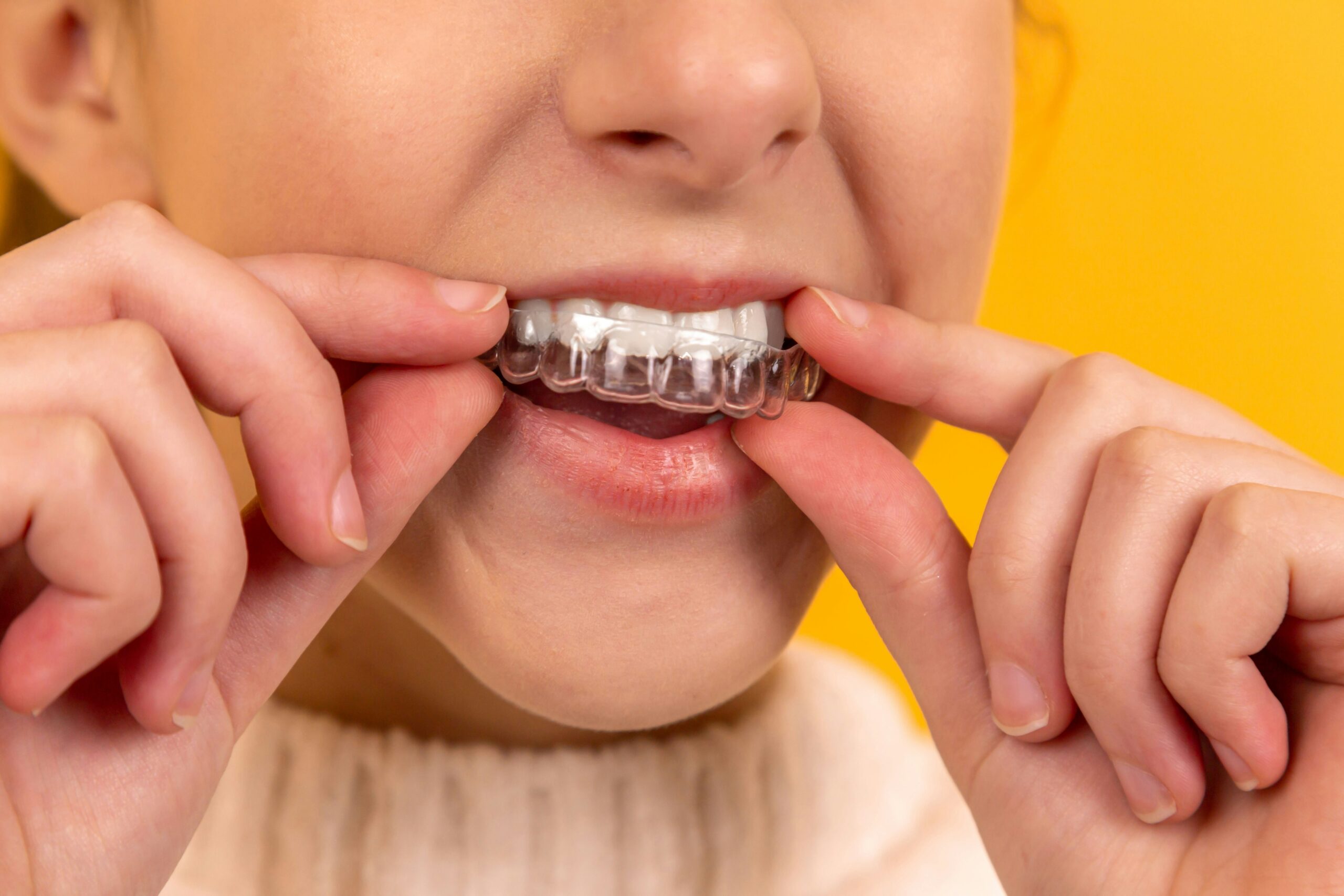
For some patients, clear aligners provide a discreet alternative to traditional braces. These removable appliances gradually move teeth into their ideal positions while allowing greater flexibility during eating and oral hygiene routines.
Retainers and long-term stability
After orthodontic treatment is completed, retainers play an important role in maintaining results. Wearing a retainer as instructed helps prevent teeth from shifting back toward their original positions.
Advanced treatments for complex cases
In severe situations involving significant jaw discrepancies, additional procedures may be recommended. These can include restorative treatments or, in rare cases, corrective jaw surgery to achieve proper alignment and function.
Can bite problems be prevented
While not all bite problems can be prevented, certain habits may reduce the risk of developing complications.
Daily habits that support proper alignment
Maintaining healthy oral habits can help protect your smile:
- Brush and floss consistently
- Attend regular dental checkups
- Address dental issues promptly
- Follow professional recommendations for orthodontic care
Protecting your teeth from excessive wear
Reducing harmful habits can also support long-term oral health.
Examples include:
- Avoiding teeth grinding
- Limiting nail biting
- Refraining from chewing on hard objects
- Managing stress levels
These small changes can help minimize unnecessary strain on your teeth and jaw.
Taking the first step toward a healthier smile
Bite problems can affect far more than the appearance of your teeth. From uneven wear and gum disease to jaw discomfort and reduced confidence, the consequences of untreated misalignment can impact many aspects of daily life.
The good news is that modern orthodontic treatments can effectively correct many bite issues while improving both oral health and smile aesthetics.
At Dental 6ta & E, we understand that every smile is unique. Our team provides personalized orthodontic solutions designed to improve dental function, comfort, and appearance. If you are considering options for dental braces in Tijuana, we can help you determine the most appropriate treatment based on your individual needs and goals.
Schedule a consultation with Dental 6ta & E and discover how professional orthodontic care can help you achieve a healthier, more confident smile.