When it comes to orthodontic treatment for children, one of the most frequently asked questions by parents is “what is the best age for braces?” Deciding when to start orthodontic treatment can be critical in ensuring effective results and a positive experience for your child. This article will explore the factors that determine the best age for braces and help you make an informed decision about your child’s orthodontic needs.

How Braces Transform Your Smile
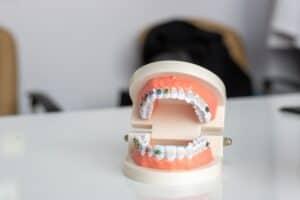
Braces are orthodontic devices used to correct misaligned teeth and jaws, improving both function and appearance. By applying gentle and consistent pressure over time, braces gradually move teeth into their desired positions. This process not only enhances your child’s smile but also contributes to better oral health in the long run.
The Ideal Age for Braces
Determining the best age for braces depends on various factors, including the child’s dental development, the severity of the orthodontic issue, and individual growth patterns. However, there are general guidelines that can help parents decide when to seek orthodontic evaluation.
1. Early Screening: Ages 7-9
The American Association of Orthodontists recommends that children have their first orthodontic evaluation by the age of 7. At this stage, children typically have a mix of primary (baby) teeth and permanent teeth. An early assessment can help identify any developing issues, such as overcrowding, crossbites, or protruding teeth.
This evaluation does not necessarily indicate that braces are needed immediately but allows the orthodontist to establish a treatment plan if required. It also offers the opportunity to monitor the child’s dental growth and development, setting the foundation for the best age for braces.
2. Typical Braces Range: Ages 10-14
The most common age range for placing braces is between 10 and 14 years old. This period is often considered the best age for braces because:
- Growth Spurts: Children in this age group are usually experiencing growth spurts, which can aid in the effectiveness of orthodontic treatment. The growth of the jawbone can be guided to correct bite issues, making orthodontic adjustment more efficient.
- Mixed Dentition: By this age, most children have lost their primary teeth and the majority of their permanent teeth have erupted. This offers a comprehensive view of the child’s dental landscape, allowing for precise orthodontic intervention.
- Compliance and Adaptability: Preteens and teenagers are typically more mature and capable of adhering to the care requirements and lifestyle adjustments that come with wearing braces.
3. Late Braces: Ages 15 and Older
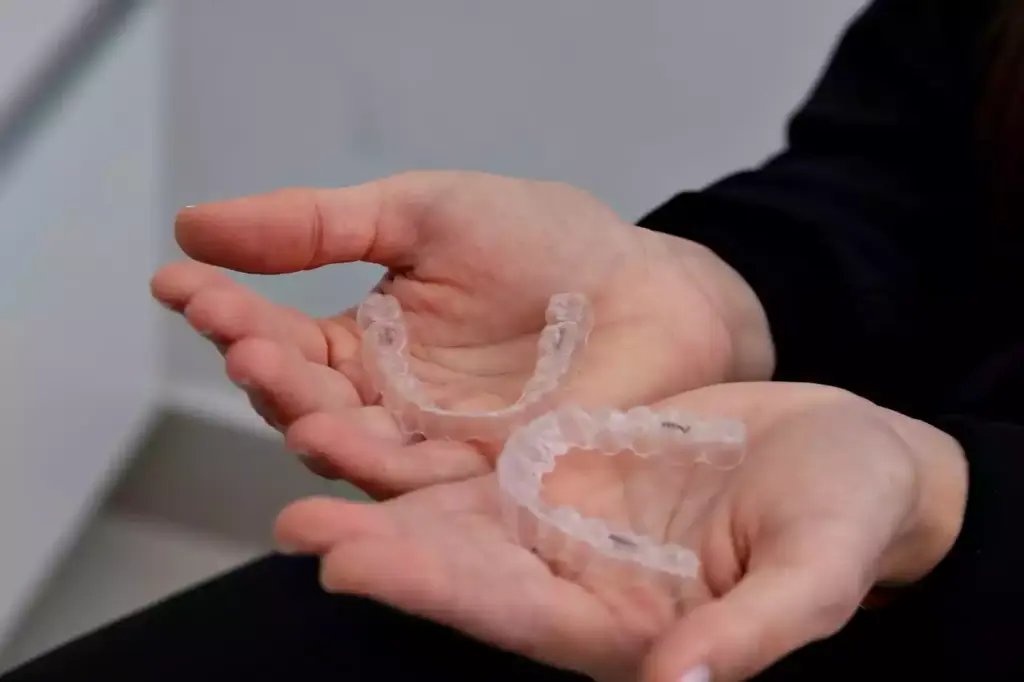
While early intervention is ideal, it is never too late for orthodontic treatment. Teenagers and even adults can benefit from braces, especially if they have missed the ideal window during their younger years. Advances in orthodontic technology, such as clear aligners and ceramic braces, provide more discreet options for older patients who may be self-conscious about traditional metal braces.

Factors Influencing the Best Age for Braces
While age is an important consideration, it is not the sole determinant of when to start orthodontic treatment. Other factors include:
Severity of Malocclusion
The nature and severity of the orthodontic issue play a significant role in deciding the best age for braces. Some conditions, such as severe crowding or misaligned jaws, may require earlier intervention to prevent more complex problems later on.
Oral Habits
Habits such as thumb sucking and tongue thrusting can affect dental development and may necessitate earlier treatment. Addressing these habits before they cause significant orthodontic issues is crucial.
Individual Growth Patterns
Every child’s growth pattern is unique. Orthodontists consider individual maturity and growth rates to determine the optimal timing for braces. Some children mature faster or slower than their peers, influencing the timing of orthodontic intervention.
Emotional Readiness
A child’s willingness and readiness to commit to orthodontic treatment can also influence the decision. Understanding the responsibilities of caring for braces and maintaining good oral hygiene is essential for a successful treatment outcome.
Benefits of Early Orthodontic Evaluation
An early orthodontic evaluation offers several benefits, including:
- Prevention of Future Issues: Early detection of potential problems allows orthodontists to implement preventive measures, reducing the need for more invasive treatment in the future.
- Customized Treatment Plans: Tailoring treatment based on a child’s unique dental needs and growth patterns ensures effective and efficient results.
- Parental Peace of Mind: Knowing that your child’s orthodontic health is being monitored by a professional provides reassurance and allows parents to plan for future treatment.
Trust Your Child’s Smile with Experienced Professionals
Choosing the right time for braces is a decision that requires careful consideration and expert guidance. By working with a qualified orthodontist, you can determine the best age for braces and ensure your child receives the most effective treatment for a healthy, beautiful smile.
For parents considering orthodontic treatment for their child, Dental 6&E offers exceptional orthodontic care, including braces in Tijuana. Our skilled professionals are dedicated to providing personalized treatment plans to meet each child’s unique needs. Our comprehensive approach ensures that your child’s smile is in the best hands, from initial evaluation to the final result.
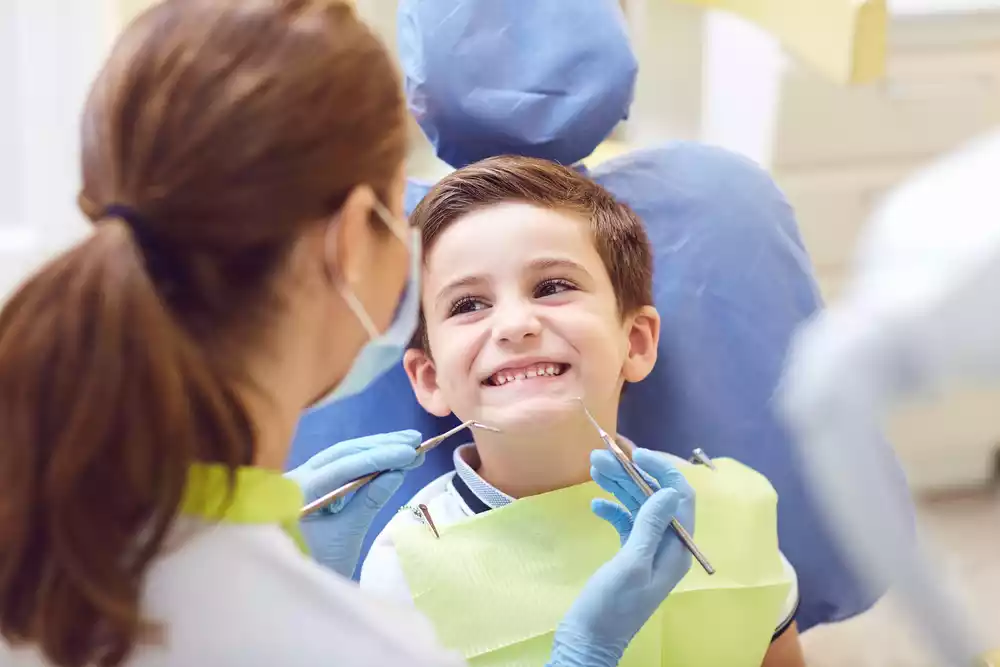
Unlocking the Secret to Your Child’s Perfect Smile
Finding the best age for braces is a key step in enhancing your child’s oral health and confidence. With early evaluation and expert orthodontic care, you can help your child achieve a lifetime of healthy, beautiful smiles. Begin the journey by consulting with experienced professionals who understand the nuances of orthodontic treatment and care about your child’s well-being.